Stop pitching.
Start selling.

Join 500+ emerging brands already selling in verified retail accounts — no broker, no guesswork.
Start Selling
Now accepting cohort applications. Limited spots available.

Sell more. Waste less. Scale smarter.

Entering U.S. retail demands more than ambition — even the most promising brands can struggle to scale without the right infrastructure and systems. Success requires attention to three key areas:
Preserving your identity, origin, and cultural relevance while adapting to new markets.
Ensuring compliance, accurate labeling, realistic shelf-life expectations, and feasible import logistics.
Optimizing wholesale pricing, protecting margin integrity, managing case packs, and navigating payment cycles.
The US Readiness Index™ (USRI) is a proprietary scoring system for evaluating how prepared an international food brand is to enter and scale in the U.S. market.
Replaces intuition and ambition with a structured, repeatable assessment across regulatory, commercial, and operational dimensions.
Brands are evaluated on a scale of 0–100 to determine their entry potential.
Used at the onset of every HOBB engagement to establish clarity, set expectations, and identify when a brand should delay market entry.
Many brands fail in U.S. retail not because their products are weak, but because their distribution assumptions are wrong.
Maps the real-world operational and financial constraints of U.S. distribution paths that brands often overlook.
Analyzes critical factors including capital intensity, margin pressure, speed to shelf, and the balance of control versus reach.
Determines which distribution channels are ready for immediate entry and which should be deferred for later phases.
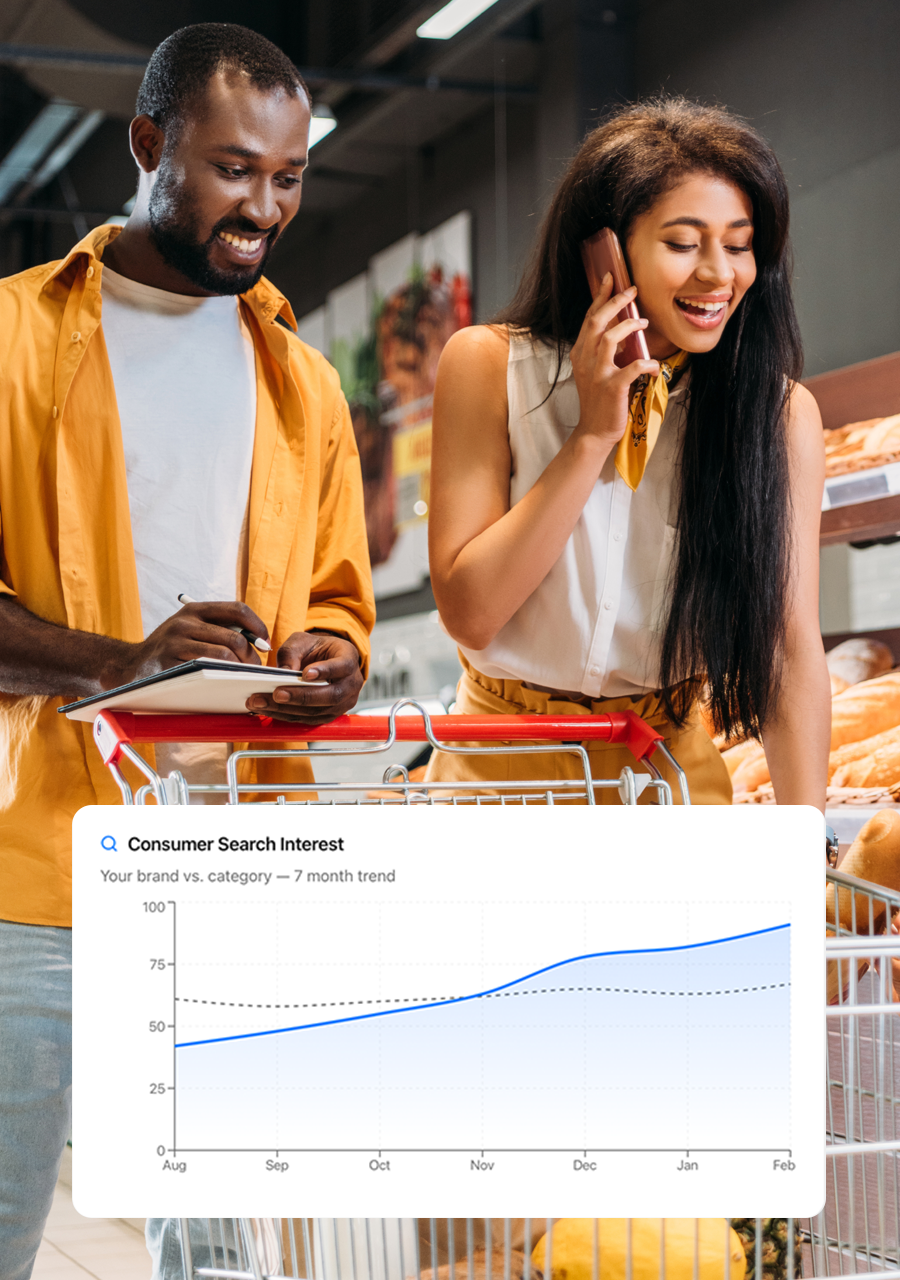
The Demand Signal Ladder™ determines whether market interest is strong enough to justify expanded distribution.
Replaces "scaling on hope" with a staged framework that requires proven demand signals—from cultural pull to reorder velocity—before expanding.
Protects capital and inventory by ensuring market interest is validated by real-world data before committing significant resources.
Enforces a disciplined model where every leap in distribution must be earned through performance, ensuring growth is sustainable rather than assumed.

Go to market in 90 days through six focused workstreams.

Market readiness audit
The US Readiness Index™ (USRI) identifies how your brand fits the corridor, competitive shelf audit, compliance pre-check, and a prioritized retailer target list from HOBB's account database.
Sell-in materials + Atlas setup
Retailer sell sheet, full catalog on the HOBB Atlas B2B platform, introductory offer structure, and supplier portal profile.
10+ Confirmed retail placements
Your readiness unlocks our retail relationships. We don't make intros until the USRI confirms you're ready. Target: 10 confirmed placements with first PO processed.
Sell-through coaching + reorder
Bi-weekly velocity reviews, in-store merchandising guidance, PAR levels and reorder prompts configured in Atlas, consumer activation ideas.
Market intelligence report
What sold, at what velocity, what buyers said, where the category white space is, and your next-10-accounts expansion roadmap.
Graduation + platform transition
Sprint scorecard, subscription tier recommendation, commission agreement formalized, 30-day post-sprint check-in scheduled.

Retail placements powered by real-time insights, and end-to-end support.

From buyer introductions to merchandising execution, we provide transparent, end-to-end support and access to 1,500+ independent retail doors.
1,500+
Verified independent grocery retailers
90 days
Average time to first retail placement
* HOBB provides tools, infrastructure, and market access designed to improve readiness and execution. Outcomes such as retail placement, distributor agreements, or revenue generation are not guaranteed and depend on factors including product-market fit, pricing, demand, and brand execution.

Designed to reduce your risk and lower the barrier to entry.

How does HOBB evaluate whether a brand is ready for the U.S. market?
Does HOBB guarantee retail placement or distribution?
How does HOBB lower the cost and complexity of entering new markets?
Who is the HOBB Market Access Platform designed for?
Does HOBB hold inventory or ship products?
What types of retail accounts are already sourcing on the HOBB platform?

Latest News